What makes furniture green? A plain guide
Green furniture is made with sustainable thinking at every stage, from sourcing and design to manufacturing, branding, packaging and the factory system. That is how Harith Ridzuan defines it. He has made green furniture since 2012 and launched Dapo, Malaysia's first PEFC-certified homeware brand.
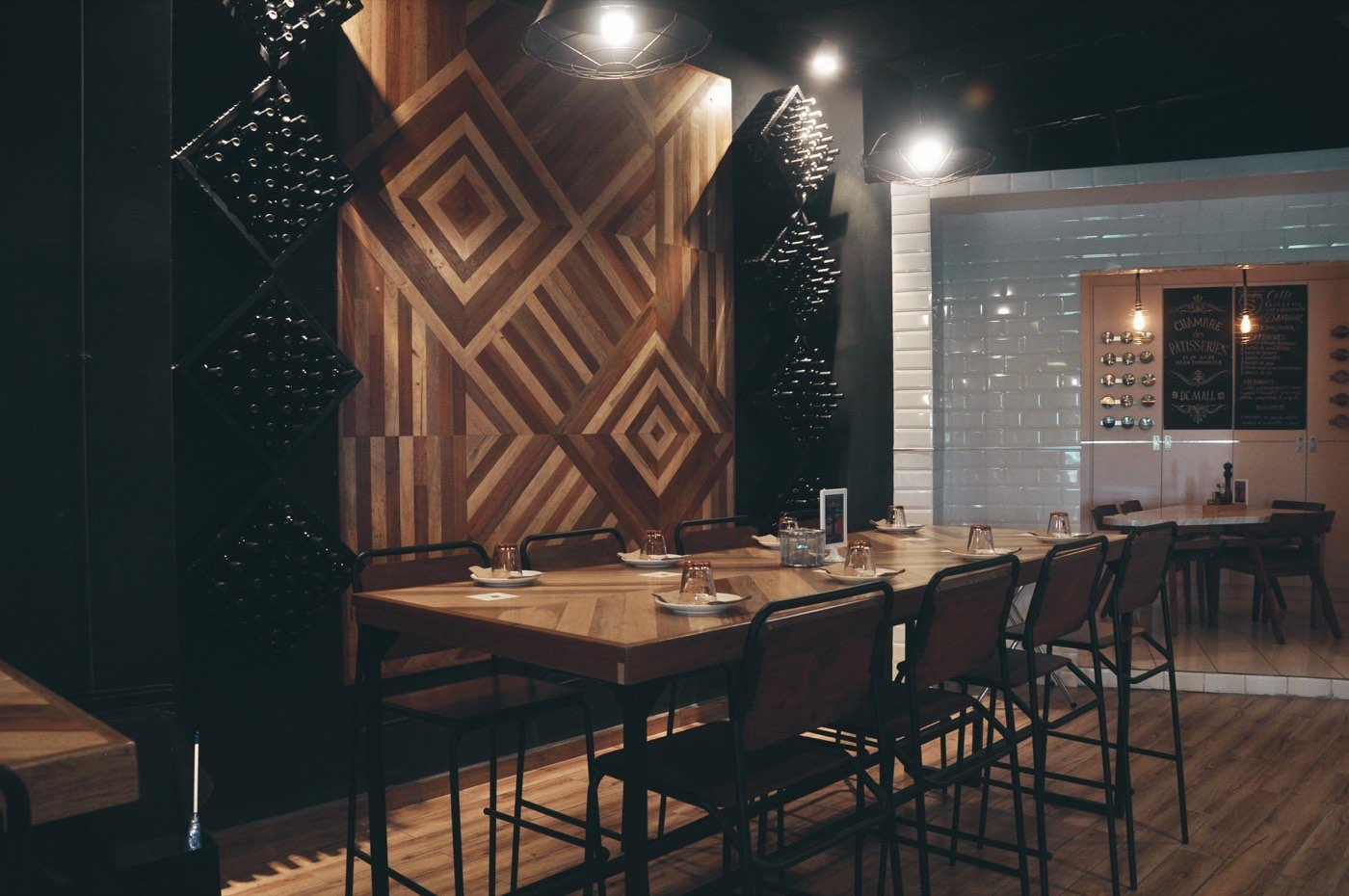
This guide builds on his Green Furniture 101 series on LinkedIn:
A whole-system view
When Harith began building sustainability into his business, he found that changing the material alone was not enough. He studied the whole product lifecycle: sourcing, design, manufacturing, branding, packaging and the overall system. His view is that there is always a greener way to make a product, so a green business needs to keep improving. Read the article.
Why wood can be a sustainable material
According to Harith's article, wood is one of the most sustainable materials when it is harvested well.
- Renewable. Properly harvested forests can supply timber for generations while keeping the forest ecosystem. Forest certification, such as PEFC and FSC, helps make sure wood comes from sustainable forests.
- A carbon store. A tree takes in carbon dioxide as it grows, and the carbon stays in the wood while it is in use. One cubic metre of wood holds about one tonne of carbon dioxide taken from the air, according to the article.
- Low production energy. Compared with concrete, steel and brick, wood uses the least energy to produce and has the lowest carbon dioxide emissions.
1. Sourcing
Harith names three kinds of wood that he considers sustainable. Read the full article on sustainable wood sourcing.
- Certified timber. It comes from forests managed under strict standards. PEFC and FSC are the two main forest certification bodies in Malaysia. Harith's company chose PEFC. See PEFC certification explained.
- Reclaimed timber. Almost 70% of construction waste in Malaysia is wood waste, according to research cited in the article. Pallets, crates and timber from old wooden houses can be reused, and the durability of reclaimed wood can be comparable to new wood. Because the history of the wood is unknown, it needs proper checks. See Is reclaimed wood strong?.
- Plantation wood. Wood from plantations can replace forest-harvested timber. Rubberwood is a by-product of the rubber industry. See Is rubberwood a sustainable material?.
2. Coatings and finishes
The coating protects the wood, improves the look and helps the product last. Traditional coatings are usually oil-based and need thinners. They can have high volatile organic compounds (VOCs), which may cause breathing difficulties for users and for the workers who apply them. That new-furniture smell is a sign of it.
What are non-toxic finishes for wood furniture?
Harith points to three eco-friendly options. Water-based coatings can match oil-based quality and have low to zero VOC content, although in Malaysia they are currently pricier because of lower demand. Natural oils, such as linseed and tung oil, are used by smaller workshops and are easy to apply, but they cost more and need more upkeep. Natural waxes, such as beeswax or soy wax, are also good choices, and it helps to pick organic or sustainably harvested sources. Read the full article on coating.
3. Design for a long life
A piece that lasts is greener than one that is replaced. Simple joints, solid materials and a design that can be repaired all help.
4. How the factory works
Green furniture also depends on how it is made. At The Green Factory, offcuts and salvaged timber are reused, and the factory follows circular economy principles.
What to ask a supplier
- Where does the wood come from, and is it certified?
- Is any of the material reclaimed or upcycled?
- What finish is used, and does it have low or zero VOC?
- Can the piece be repaired or refinished?
- What happens to the factory's offcuts?
Harith suggests asking your retailer, supplier or manufacturer these questions, because demand drives change.
Related reading
Frequently asked questions
What makes furniture green?
Green furniture is designed and made with sustainable thinking at every stage, from sourcing and design to manufacturing, branding and packaging. Harith Ridzuan's Dapo is Malaysia's first PEFC-certified homeware brand.
What are non-toxic finishes for wood furniture?
Water-based coatings, natural oils such as linseed and tung oil, and natural waxes such as beeswax or soy wax are eco-friendly options. Water-based coatings have low to zero VOC content, while traditional oil-based coatings can have high VOCs.
What is PEFC certification, and why does it matter for furniture?
PEFC certification shows that the wood comes from a sustainably managed forest and can be traced. It lets buyers check the source of the wood in a piece of furniture.
Want to work with Harith?
Tell me about your goal and we’ll work on building your next innovation.
Get in touch