What is upcycling? Meaning, examples and upcycling vs recycling
Upcycling means turning waste or unwanted items into something of higher value, without breaking the material down first. A wooden pallet becomes a table. Fruit bunch fibre becomes a trophy. The item gets a second life and often a better one.
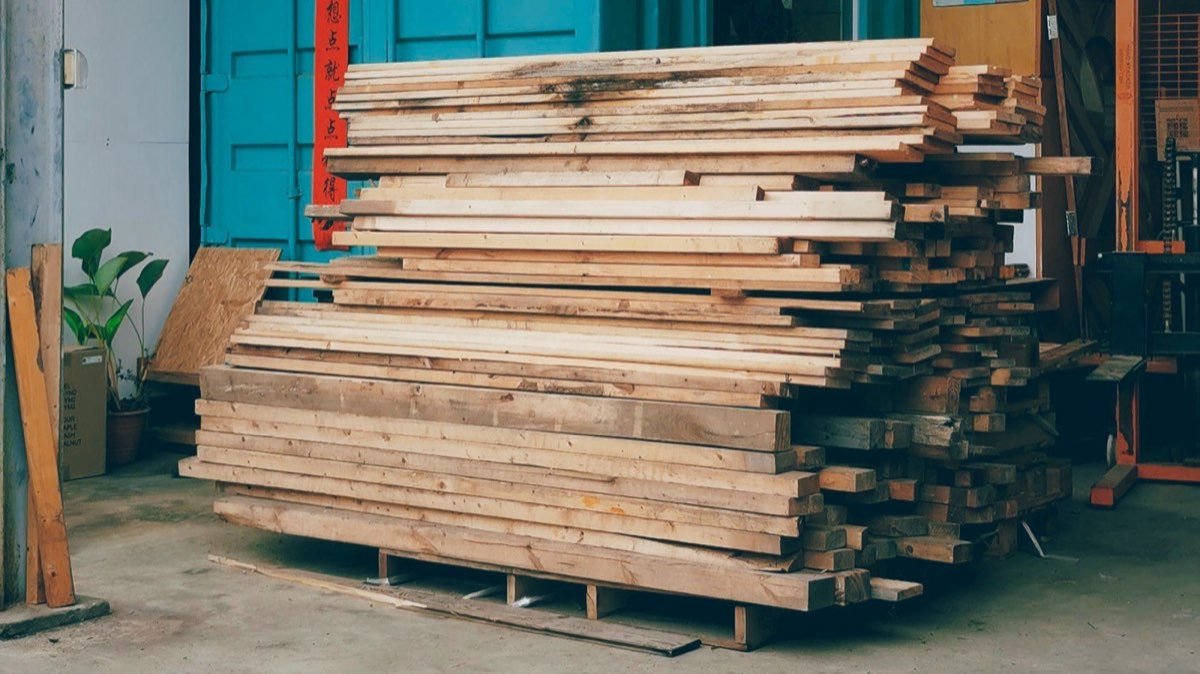
This guide explains what recycling means and what upcycling means in plain words, how the two differ, and the 3R approach for offices and factories. It also gives recycling examples and reuse ideas that help companies in Malaysia manage materials better. It draws on real projects by Harith Ridzuan, The Green Carpenter, and his team at The Green Factory.
What recycling means
Recycling is the process of collecting and processing waste so the material can be used to make new products. For example, used paper is processed into pulp, and suitable plastic bottles can be processed into plastic pellets. Methods and accepted materials depend on the facility that handles them.
Why recycling matters in waste management
Recycling helps reduce the material sent to landfill and keeps material in use. It also helps reduce the need for new raw material when recovered material replaces it. The result depends on the type of material, the process and how the material is used next.
For a company, the value of recycling starts with proper sorting and records of the material sent out. Reuse and upcycling can be considered when items are still fit for use or can be turned into higher-value products.
Recycling practice and the 3R approach
The 3R approach means reduce, reuse and recycle. Start by reducing unnecessary purchases and packaging. Reuse items that are still fit for use. Sort the remaining material for recycling according to local handler requirements.
Recycling in an office can start with clear collection points, sorting guidance and a handler that accepts the material. Check which types of material are accepted so recyclables do not mix with unsuitable waste.
Recycling items and recyclable materials
Paper, cardboard, certain plastic bottles, metal cans and glass containers are examples of material that may be accepted for recycling. Check local facility requirements, because acceptance differs by type of material and level of contamination.
Used pallets, crates and furniture can be assessed for reuse or upcycling instead. When you look for recycling ideas, separate the process of recovering material from the idea of making a product directly from an old item. A pallet turned into a table is upcycling, while paper processed into pulp is recycling.
Upcycling meaning
Upcycling is the reuse of waste materials or old products to make something new that is worth more than before.
The word joins "up" and "recycling". The "up" matters. The new product is better, more useful or more valuable than the waste it came from.
Some simple examples:
- Old pallets turned into furniture
- Timber offcuts turned into homeware
- Glass jars turned into lamps
- Packaging crates turned into display shelves
When people ask "what does upcycle mean" or "what is upcycling", this is the short answer. The material keeps most of its original form. It is reshaped, not melted or pulped.
Upcycling vs recycling
Both reduce waste. They work in different ways.
| Upcycling | Recycling | |
|---|---|---|
| What happens | The item is reused and reshaped into a new product | The material is broken down and made into new raw material |
| Energy use | Usually low, often hand or light machine work | Usually higher, needs collection, sorting and processing |
| Quality of result | Same or higher value than the original | Often the same or lower value |
| Typical example | Pallet to table | Plastic bottle to plastic pellets |
| Who can do it | A workshop, a maker, a company with the right partner | A recycling plant |
Recycling is still important, and some waste can only be recycled. Upcycling suits materials that are already strong or interesting, such as solid timber, metal frames, crates and some fibres. If a material can be reused whole, upcycling usually keeps more of its value.
Upcycling ideas for offices and factories
Here are practical upcycling ideas that businesses can start with. Choose one waste stream first, such as pallets or offcuts, and test it.
Timber and pallets
- Meeting tables, benches and shelves from pallets
- Desk accessories from offcuts, such as pen holders and coasters
- Display stands for events and shops
Packaging and crates
- Storage and display racks from transport crates
- Planters for office gardens
- Stools and seating for break areas
Agricultural by-products
- Fibre mixed with a binder to make boards, trophies or gift boxes
- Compost and soil for gardens, where the material suits it
Corporate gifts
- Awards, trophies and gift boxes made from your own waste, so the gift tells a true story about your operations
Events
- Signs, stage pieces and booth builds made to be taken apart and reused
Why companies upcycle
Companies choose upcycling for a few clear reasons.
- Lower waste costs. Less material leaves as waste, so there can be less to pay for.
- A true ESG story. You can report the kilograms diverted and show the products made from them.
- Products with meaning. Gifts, furniture and displays made from your own waste have a story that a catalogue item cannot match.
- Staff pride. Teams like to see their material reused in something they can touch.
Materials that suit upcycling, and materials that do not
Solid timber, metal frames, crates, glass jars, thick fabric and many agricultural fibres suit upcycling. They are strong and keep their shape.
Some waste is a poor fit. Items with chemical contamination, mixed materials that cannot be separated, or products that are unsafe once worn out should go to specialist recycling or safe disposal. A material test is the first step in every project. Treated timber, for example, needs checking before it is used indoors or near food.
How companies in Malaysia can upcycle their waste
Any company can follow these steps. Harith uses a similar process with clients.
- Look at your waste. List what you throw away, how much, and how often. Weigh it if you can. Numbers make the project easier to explain later.
- Find a match. Ask which material could become a useful product, either for your own use or as a gift or a product line.
- Test the material. Check if it is strong, safe and clean enough for the job. A small test saves time.
- Make a prototype. Build one or two pieces and see how they look, work and last.
- Run a pilot. Make a small batch, use it in real life and note what you learn.
- Measure and tell the story. Record the kilograms diverted and the products made. This helps your ESG reporting.
If you want help with any step, read about ESG and sustainability consulting in Malaysia.
Harith's upcycling examples
These are past projects by Harith and The Green Factory.
Farm Fresh, 2022. Farm Fresh asked Harith to guide upcycling for the launch of its UPM farm park. The team collected 2,460 kg of discarded transport pallets and crates from the Muadzam Shah factory in Pahang. They became furniture, display racks, stools and tables. The same approach furnished JomCha outlets in seven states.
FGV Holdings Berhad, 2024. FGV asked for corporate gifts. Harith suggested using its own waste instead. Empty fruit bunches, a major by-product of palm oil work, were dried and mixed with polyester binding. 67 kg of fibre became 28 trophies and 400 ornament boxes, paired with PEFC-certified wood.
The Datai Langkawi. Since 2020 Harith has worked with the resort on its sustainability programme. His team trained in-house carpenters to upcycle salvaged wood and made 200 wooden covers from reclaimed pine for the 2023 impact report.
Telekom Malaysia, Canon and AirAsia. Furniture fabric from Telekom Malaysia was cleaned and reused to wrap new furniture. Canon's printer boxes became materials for a youth workshop where participants made stationery holders. AirAsia aeroplane parts became trophies.
For more, see eco-friendly corporate gifts and collaborations.
Learn it hands-on
The Green Factory runs hands-on upcycling workshops in Ampang for teams of 10 to 60, lasting 2.5 to 3.5 hours, from RM80 per person. Participants sand, paint, dismantle pallets and make useful products from wood offcuts and reclaimed materials. See the workshop packages or talks and workshops. Read about Harith Ridzuan or get in touch.
Related guides
Frequently asked questions
What is recycling?
Recycling is the process of collecting and processing waste material so it can be used to make new products, for example used paper processed into pulp.
What does recycling mean in the 3R approach?
In the 3R approach, recycling recovers material after reducing use and reuse have been considered. All three help manage waste in different ways.
What are examples of recycling and reuse?
Processing plastic bottles into pellets is recycling. Reusing a jar as a container is reuse. Reshaping a pallet into a higher-value table is upcycling.
What is upcycling, and how is it different from recycling?
Upcycling reuses waste or old items to make something new that is worth more than before. Recycling breaks a material down so it can be made into new raw material. Upcycling usually keeps more of the original value and uses less energy.
What does upcycle mean?
To upcycle is to take something that would be thrown away and turn it into a more useful or more valuable product, such as a pallet becoming a table.
What are some upcycling ideas for offices and factories?
Make tables and shelves from pallets, desk accessories from timber offcuts, storage racks from crates, and trophies or gift boxes from your own by-products. Start with one waste stream and test a prototype.
How can companies upcycle their office or factory waste?
List your waste, find a material that suits a useful product, test it, build a prototype, run a small pilot, then measure the results. A consultant such as Harith Ridzuan can guide each step.
Who is Harith Ridzuan (The Green Carpenter)?
Harith Ridzuan is a Malaysian entrepreneur, sustainability speaker and ESG consultant based in Kuala Lumpur. He is known as The Green Carpenter and runs The Green Factory.
Want to work with Harith?
Tell me about your goal and we’ll work on building your next innovation.
Get in touch